Loading…
Loading…
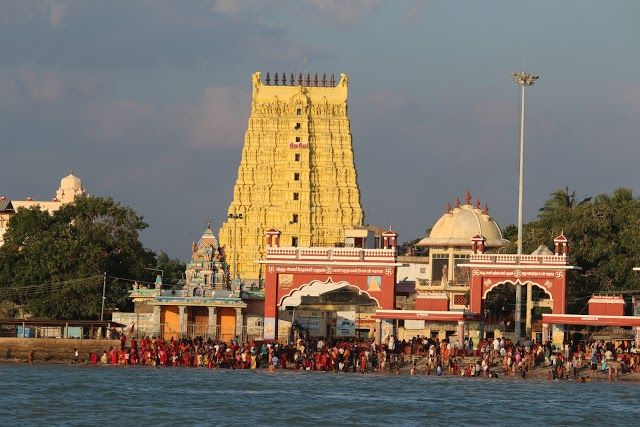
The Ramanathaswamy Temple in Rameswaram, Tamil Nadu, is a masterpiece of Dravidian architecture and one of Hinduism's 12 sacred Jyotirlinga shrines. It is celebrated for its mythological ties to the Ramayana and for possessing the longest pillared corridor in Asia. It is an integral part of the sacred Char Dham pilgrimage. According to legend, Lord Rama prayed at this site to atone for his sins after the war in Lanka. He instructed Hanuman to bring a Shiva Lingam from Mount Kailash. While Hanuman was delayed, Goddess Sita fashioned a Lingam out of sand. This sand Lingam, Ramalingam, and the one brought by Hanuman, Vishwalingam, are both worshiped in the sanctum today.

Live darshan returns at the next scheduled aarti.
The early morning waking ritual
The morning offering of bhog (food) to the deities.
The Ramanathaswamy Temple in Rameswaram is open daily from 5:00 AM to 1:00 PM and from 3:00 PM to 9:00 PM
General Darshan is free. Paid special "Queue / VIP Darshan" tickets are available at the temple for approximately ₹100 – ₹200. The temple also offers 17 special paid sevas/pujas that devotees can book for personal well-being, karma cleansing, and prosperity Abhishekams (Kalasa, Sanga, Rudra, and Panchamirtha): Ritual bathing of the Lingam using sacred substances like milk, honey, ghee, and holy water. Archana (Swamy and Ambal): Chanting of the one thousand names (Sahasranama) of Lord Shiva and Goddess Parvathavardhini to seek divine grace.
Fullscreen ambient mode plays Ramanathaswamy Temple’s mantras and live aarti — perfect for puja rooms, hospital bedsides, or your workplace altar.
Performed on Ekadashi — the eleventh lunar day sacred to Lord Vishnu. Includes Vishnu Sahasranama archana, tulsi offering and a sankalp for the devotee observing the fast, invoking health, prosperity and the merit of the vrat.
Performed in the pradosh kaal, the twilight window around sunset on Trayodashi. Abhishek of the Shiva lingam with water, milk and honey, an offering of bilva patra, and a sankalp taken in the devotee's name while the Rudram is chanted.
The monthly Shivratri, kept on the Chaturdashi of the waning fortnight. A night puja of the Shiva lingam with cold water, milk and bel patra, and a sankalp offered in the devotee's name.
Support daily aarti, seva and upkeep at Ramanathaswamy Temple. Your entire gift goes to this temple — 80G tax-exempt, with a receipt emailed to you.
♥ Donate to this temple →Help other devotees decide. Your rating shows publicly with your display name.
One rating per devotee — submitting again updates your earlier one.
ashish
ashish verma
awesome
Mid-morning rituals to invoke auspicious blessings and protection
The afternoon puja before the temple closes for the mid-day.
The evening worship and lamp offering, symbolizing the removal of darkness and ignorance.
The final nighttime puja before the Lord is put to rest
General darshan of the primary presiding deity, Sri Ramanathaswamy (Lord Shiva)
The special viewing of the sacred, clear quartz Linga. It is one of the most auspicious and sought-after viewings of the day.
Kept on the Ashtami tithi for the Devi in her protective form. Red flowers, kumkum and a chunri are offered, and the Durga Saptashati is recited with a sankalp in the devotee's name.
The completion puja of the Devi's nine days, kept on Navami. A havan closes the observance, prasad is distributed, and the Ram Raksha Stotra is read where the day is kept for Lord Rama.
Tarpan offered to the ancestors on the new-moon day, with water and black sesame, in the devotee's gotra and family name. Daan of food and cloth is made in the ancestors' name at the close.
Marks the start of Chaturmas, when Lord Vishnu is believed to enter yoga-nidra. A Vishnu puja on Devshayani (Ashadhi) Ekadashi seeks blessings for the four holy months ahead.
The most revered of all Ekadashis, observed without water. A special Vishnu puja with archana and daan on Nirjala Ekadashi is said to grant the benefit of all twenty-four Ekadashis of the year.
The full-moon puja of Lord Satyanarayan, with the katha read in its five chapters, sheera offered as prasad, and a sankalp taken in the devotee's name. The observance kept in Hindu homes on Purnima for generations.
Performed on birthdays for long life and good health, especially auspicious in Vrindavan. A Vedic fire ritual invoking Ayur Devata for the longevity and wellbeing of the person celebrating.
Shanti path with Gauri and Ganapati worship, performed for a household where small things turn into arguments — often paired with a Vastu correction when the strain began after a move.
Kaal Bhairav, the guardian of Kashi, is invoked for households troubled by fear, disturbed sleep or a sense of being watched over badly. Performed at dusk with mustard-oil lamps.
The Nag-Nagin rite at Trimbakeshwar for a horoscope in which all planets fall between Rahu and Ketu — performed for those who feel effort repeatedly fails to convert into result.
Lakshmi is invoked for prosperity and Kuber, keeper of the treasury, for its retention — the pairing families traditionally choose at Dhanteras and when opening a new account or ledger.
Invokes harmony and prosperity for the couple — a tradition on milestone anniversaries. Worship of Lord Vishnu with Goddess Lakshmi for marital bliss and abundance.
A count of 11,000 recitations of the Mahamrityunjaya mantra from the Rigveda, performed for someone unwell, recovering from an accident, or entering a difficult treatment. Offered with bel patra and a rudraksha mala.
Mangal shanti with a Kumbh Vivah where tradition prescribes it, performed before fixing a wedding when one horoscope carries Mangal dosha and the families want the match settled properly.
Naming ceremony — typically performed on the 11th day after birth. One of the sixteen sanskars, in which the newborn is formally given their name with Vedic rites.
A fire ritual to all nine grahas with their samidha and mantras — chosen when no single planet is the trouble and the whole period has been unrelenting.
The seven hundred verses of the Devi Mahatmya recited across the nine nights, with the kalash sthapana on the first day and kanya pujan on Ashtami.
Performed during Pitra Paksha to liberate ancestral souls — Vishnupad temple, Gaya is the most auspicious site. A rite of shraddh offering pind to ancestors for their moksha.
Tarpan with til and kusha on the ancestor's tithi during Pitru Paksha, performed by families who cannot travel to Gaya themselves.
Rin Mukteshwar worship with the Rin Harta Ganapati stotra, performed by families carrying a loan they cannot clear or money owed to them that never arrives.
The Sankat Mochan form of Hanuman is invoked with the Hanuman Chalisa and Bajrang Baan, traditionally for a period when difficulties arrive one after another — obstacles at work, court matters, or a household under strain.
The Santaan Gopal mantra is offered to Bal Gopal — infant Krishna — by couples hoping for a child, and by expectant mothers for a safe term. Performed with a cradle, butter and tulsi.
The Shri Rudram abhishek offered on the Mondays of Shravan, the month devotees keep for Shiva — with Ganga jal, raw milk and bel patra over the lingam.
Shani shanti with a til-oil abhishek and the Dashrath-krit Shani stotra, performed by those going through Sade Sati or a Shani dhaiya, when work and health both feel heavy at once.
Purifies a new home and welcomes auspicious energies before moving in. A homam to pacify the Vastu Purusha and remove any directional doshas in the dwelling.
For wisdom, focus and academic success — recommended for school-age children. Worship of Goddess Saraswati to bless the seeker with knowledge and concentration.
Gauri-Shankar worship with the Katyayani mantra, performed for a son or daughter whose marriage proposals keep falling through — the rite the Gopis are said to have kept for a worthy match.
The traditional rite before opening a shop or expanding a trade: Ganapati first for a clear beginning, then Lakshmi and the chopda (ledger) pujan that Gujarati and Marwari families perform at Diwali.